Visual Bounty / Open archive
Open Collections
Explore a curated collection of historical art and imagery from across cultures and centuries. Discover remarkable works, learn about their origins, and access public-domain images for download and creative use. Each work is presented with its original source and attribution.
Open collection
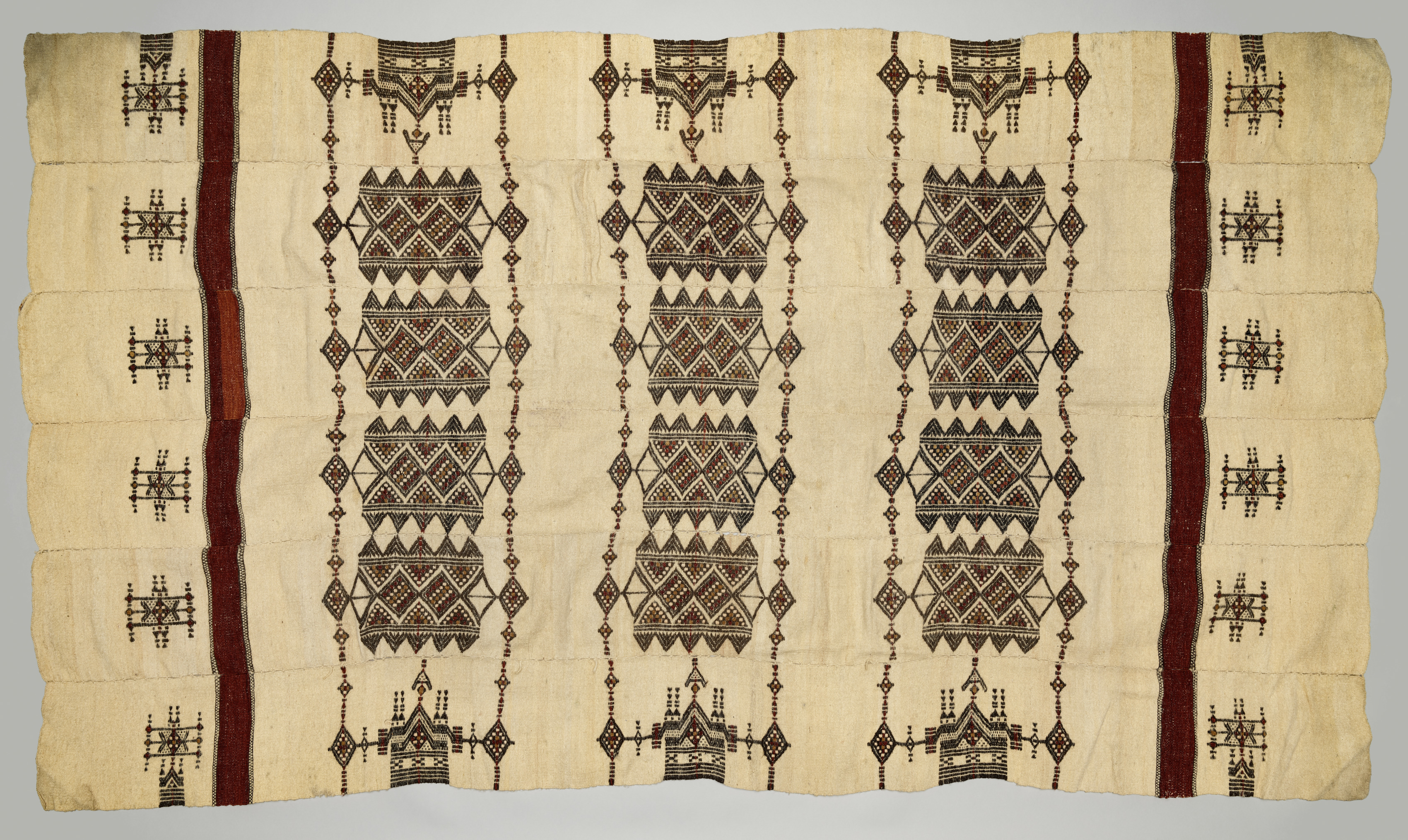
African Woven and Embroidered Cloth
Cloth across Africa is built from narrow strips, cut pile, beadwork and dyed raffia, and each tradition has its own logic. Here are Fulani strip-woven blankets, Merina silk lamba from Madagascar, indigo Hausa embroidery, Kuba raffia in cut pile, Xhosa beadwork, a Moroccan marriage hanging and a Bamum prestige headdress. Several pieces are photographed flat so the pattern can be read whole.
Explore collection ↗
Open collection
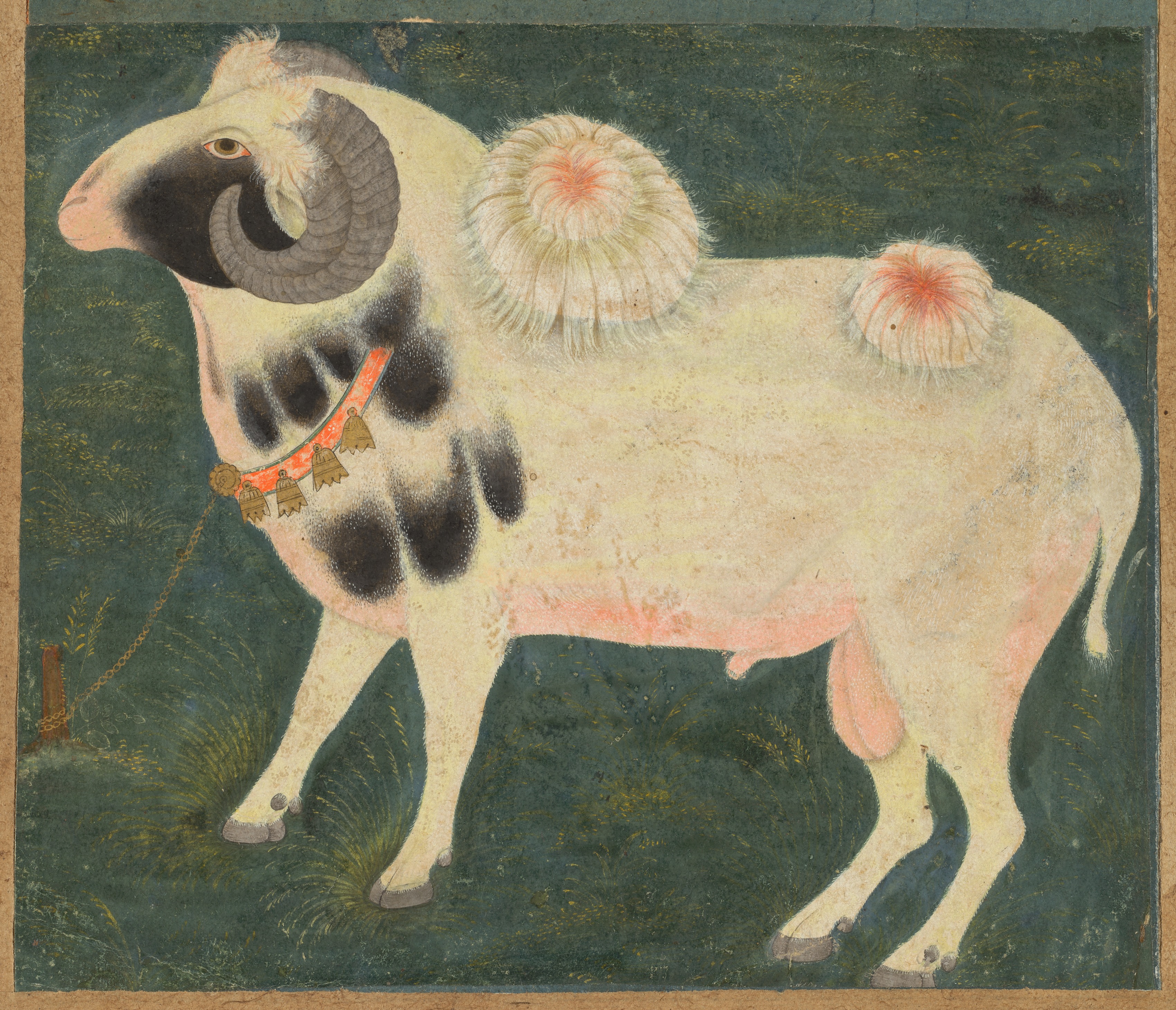
Album: Persian and Mughal Painting
Mughal and Persian painters worked on paper made for albums, where a single page could hold a portrait, a poem, a border of animals and a colophon naming the scribe. Paper was itself a luxury, sized and burnished until the surface took gouache and gold without bleeding. These seventeen pages, made between the twelfth and eighteenth centuries in Tabriz, Herat, Shiraz, Allahabad and the Mughal courts, are arranged the way an album would be: courtiers and emperors beside animals, a Qur’an page beside a book of poems, each surrounded by a border that is a picture in its own right.
Explore collection ↗

Open collection
Alphabets & Letterforms
Before type, the decorated alphabet was drawn by hand and sold as a pattern sheet: plate after plate of capitals for sign painters, embroiderers and goldsmiths to copy. These engravings run from the 1460s to the 1750s, passing through ribbon alphabets, blackwork pattern sheets and rocaille capitals. Each set is a working document rather than a book page, made to be traced until the paper wore out.
Explore collection ↗
Open collection
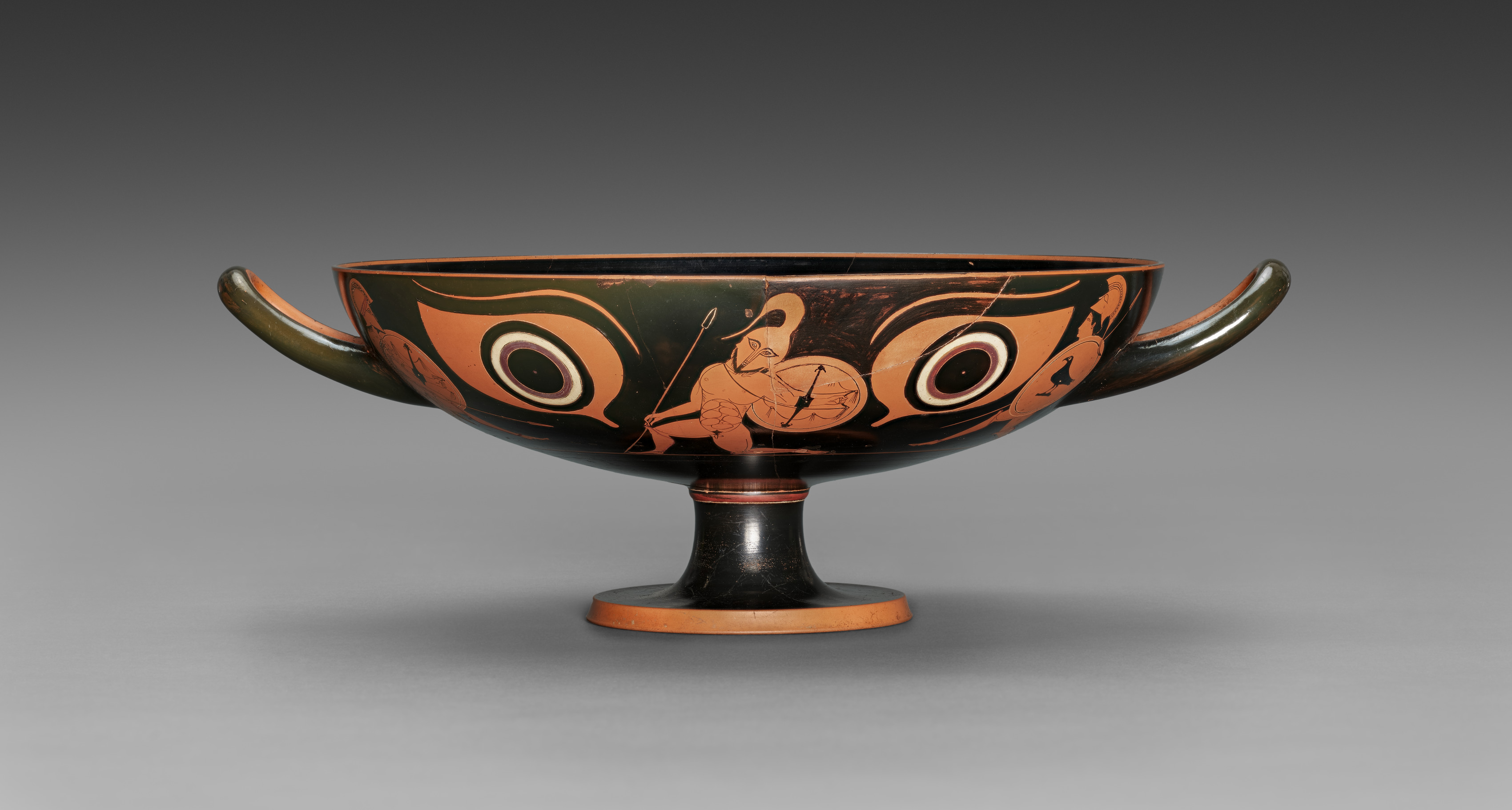
Attic: Painted Greek Pottery
Athenian potters painted in two colours and let the third do the work: the orange of fired clay, the black gloss slipped over it, and the reserved surface left bare for the figures. Red-figure, invented around 530 BCE, reversed the earlier black-figure method by drawing the figure in outline and painting the ground, which allowed relief lines fine enough to model a face. These fourteen vessels and fragments, made between about 520 and 380 BCE, carry the names of the painters who made them: Psiax, the Berlin Painter, the Pig Painter, the Brygos Painter, the Meidias Painter.
Explore collection ↗
Open collection
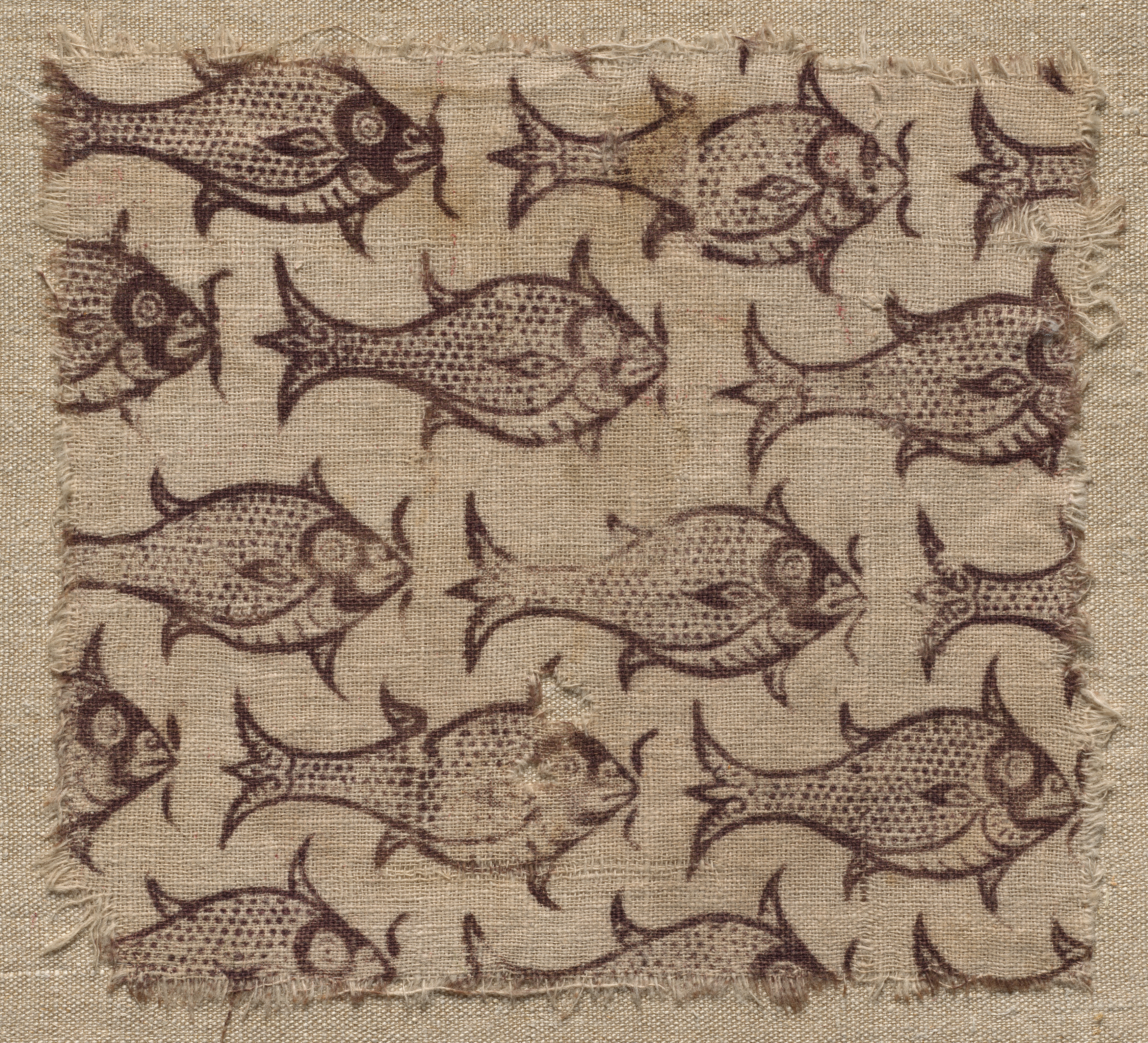
Block-Printed Cottons
Carved wood, mordant and a hand rocking the block along a length of muslin: this is the technique that gave the world chintz. The earliest pieces here were printed in Mamluk Egypt in the thirteenth century, following an Indian method; the latest are eighteenth-century Coromandel cloths made for the spice and European trades. Gold-leaf printing, layered pigment and painted resist all appear, along with the borders and repeats that show how the blocks were set.
Explore collection ↗
Open collection
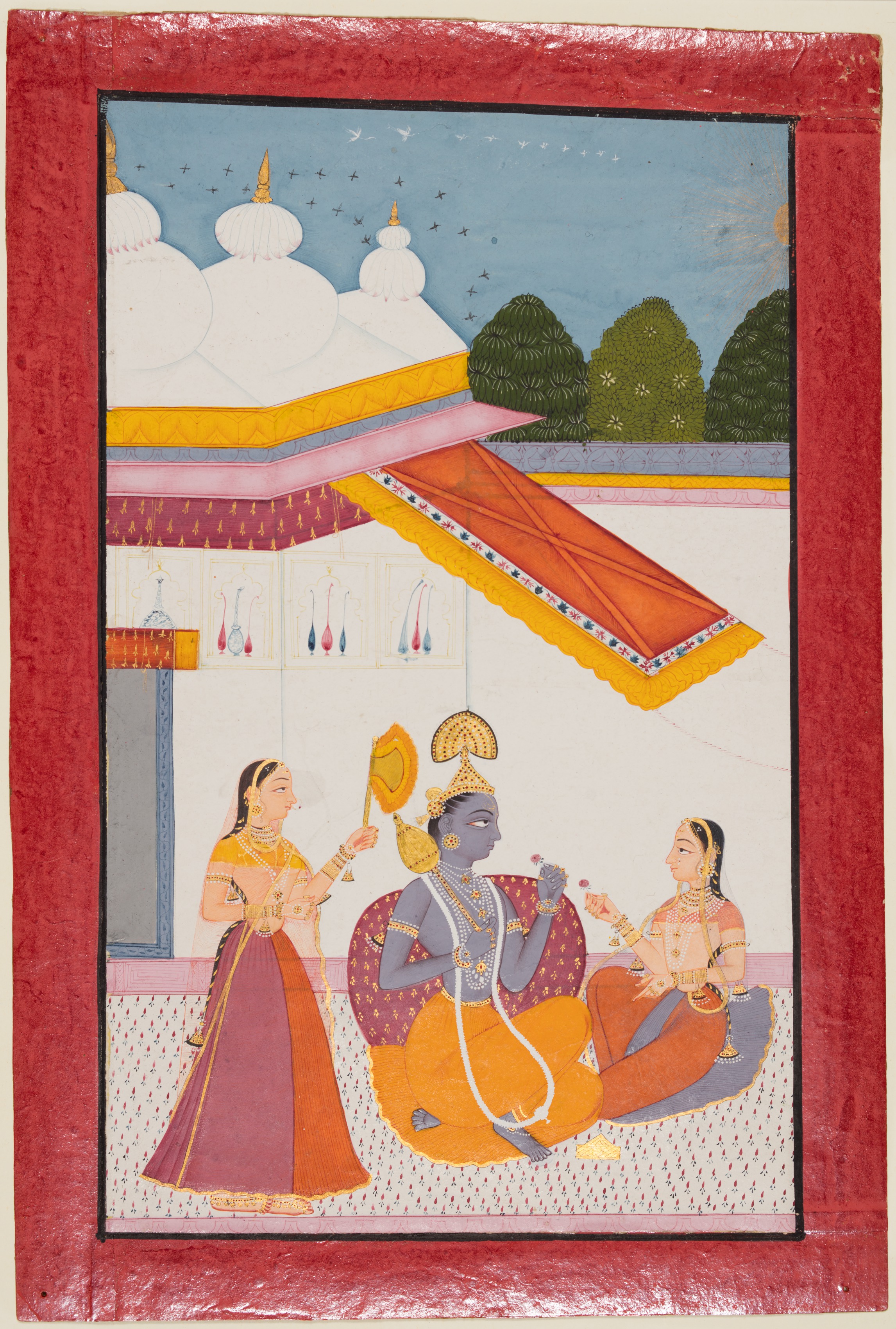
Blue Skin: Krishna in Indian Painting
Krishna is painted as a child stealing butter, a boy calling the cattle home, a lover waiting on a bed, a god dancing on a serpent’s hoods. Indian painters returned to him because his life supplied every register at once: comedy, erotic delay, violence and cosmology, in one blue figure. These paintings come from three different workshops, the Pahari and Rajput courts of the north and the pilgrim market of Kalighat in Kolkata, and the difference shows in everything from the gold to the paper. All are gum tempera, colour bound with plant gum and laid in flat areas, then polished.
Explore collection ↗
Open collection
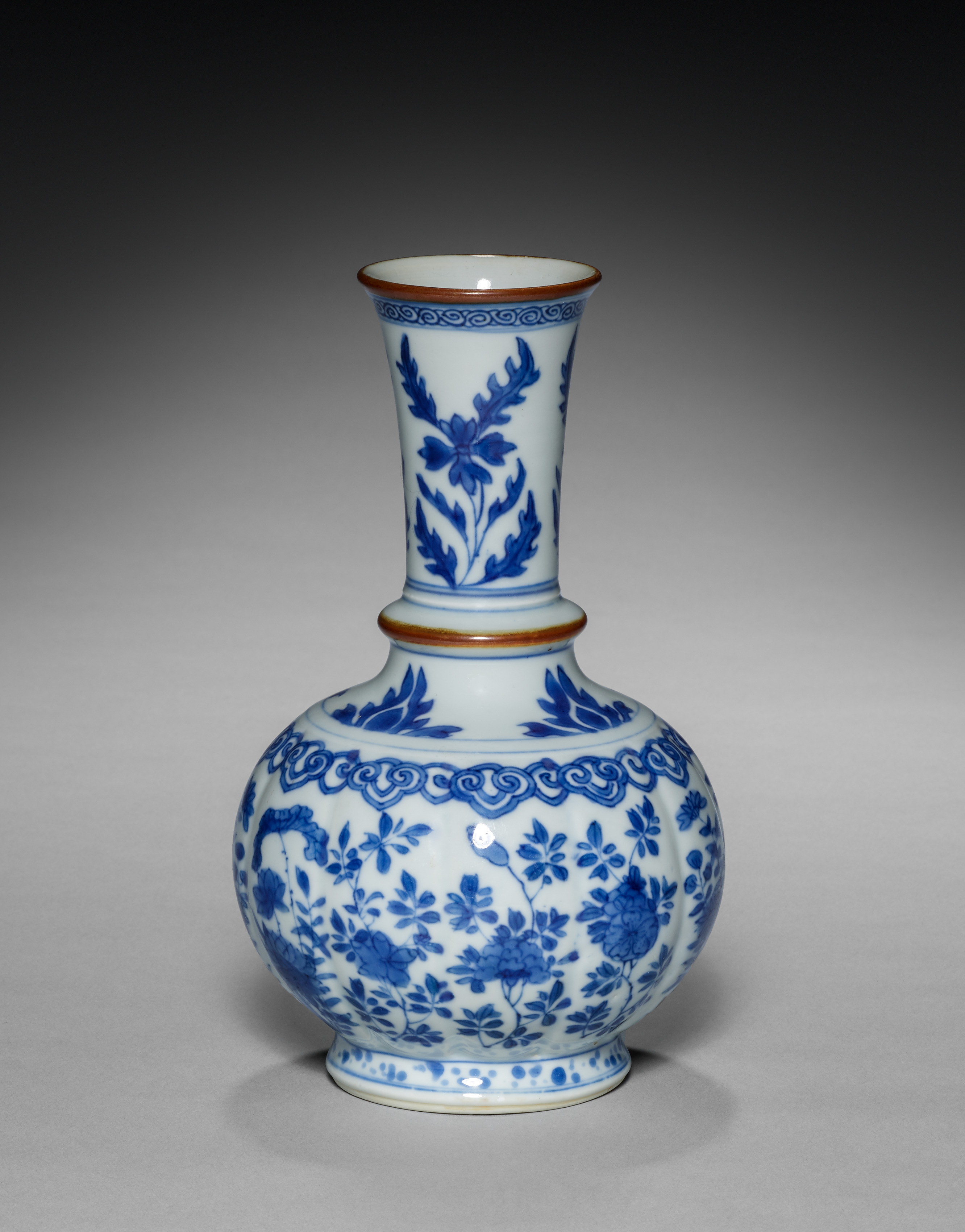
Blue and White: Cobalt on Porcelain
Cobalt painted under a clear glaze is the most travelled decoration in ceramic history. It was perfected at Jingdezhen in Jiangxi, where Yuan potters fired the first great blue-and-white wares in the 1330s, and was then adapted everywhere it went: to Korean and Japanese kilns, and to the French soft-paste factories at Saint-Cloud, Chantilly and Arras, which chased the Chinese body for a century before they could make it. These sixteen pieces follow one colour across five hundred years.
Explore collection ↗
Open collection
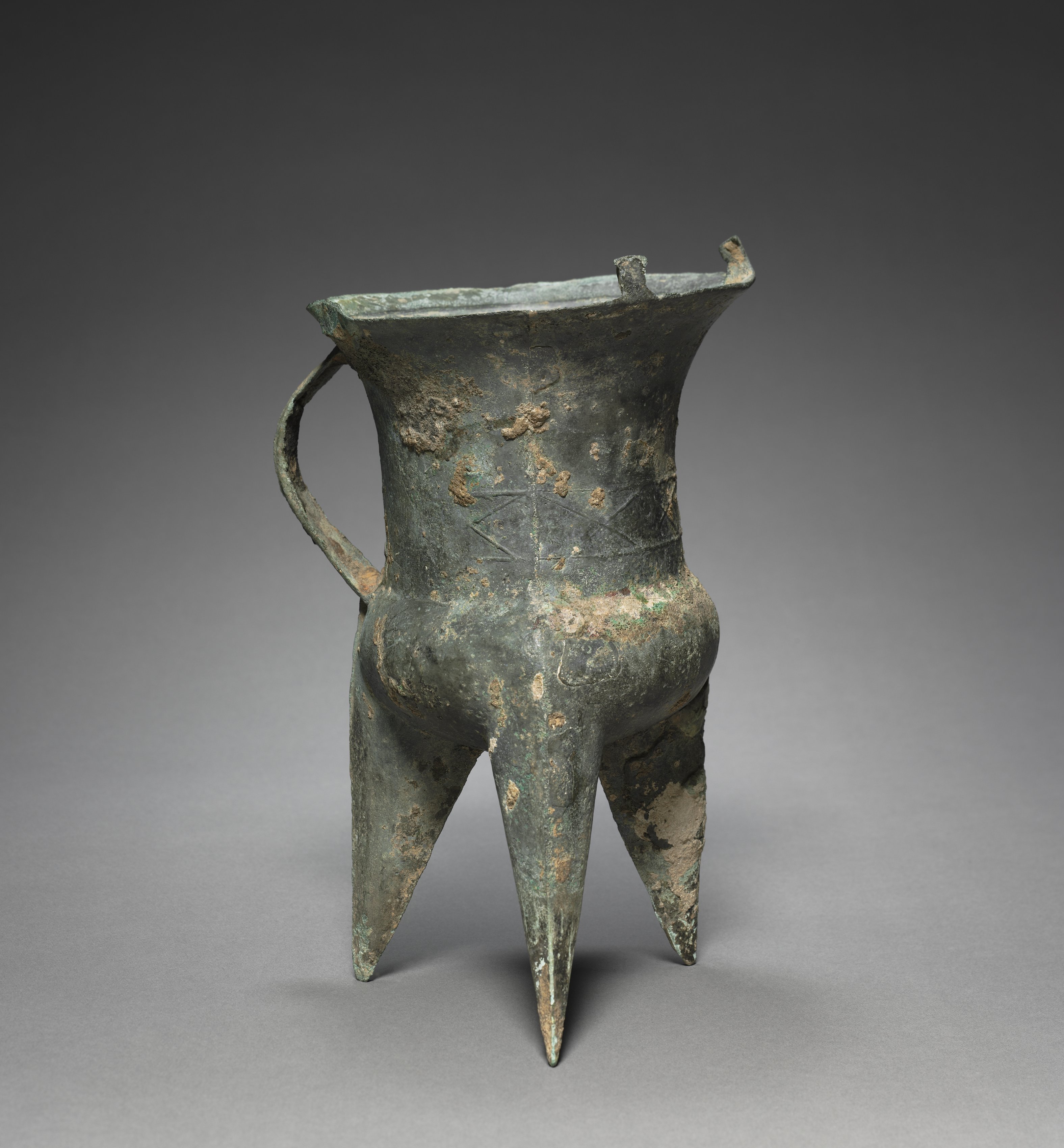
Bronze: Chinese Ritual Vessels
Chinese bronzes were cast to be used at an altar and buried with the dead, not admired as sculpture. Piece-mould casting allowed ornament to be taken directly from a carved model, so that the taotie mask, the coiled dragon and the whorl could be repeated and varied across a vessel’s whole surface. These vessels, made between about 1700 BCE and the third century BCE, carry the shapes that name themselves: ding, gui, hu, jia, jue, zun. By the Warring States period the ritual had faded and the bronze had become an object of display, inlaid with gold and covered with hunting scenes.
Explore collection ↗
Open collection
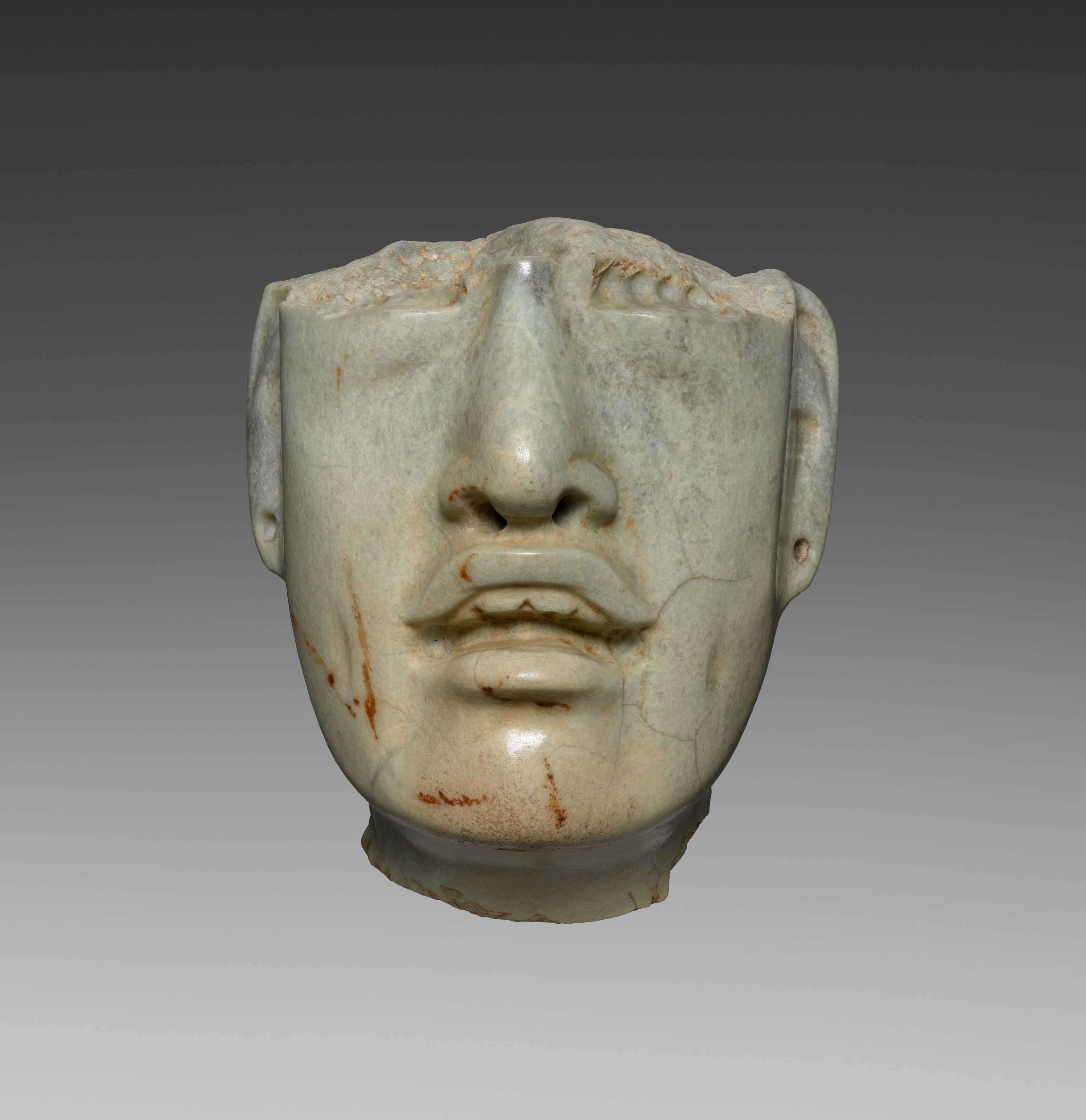
Carved and Cast: Ancient American Sculpture
Before the Spanish arrival, American sculptors worked jade, limestone, greenstone, shell, wood and gold with a technical command that European collections were slow to recognise. The Olmec polished jadeite by abrasion; Maya carvers dressed limestone into stelae built to be read in raking light; Veracruz workshops shaped ballgame equipment in stone as ceremony rather than equipment; Chimú and Wari artisans inlaid shell and gold into wood; and the metalsmiths of Colombia and Panama cast gold by the lost-wax method with a precision that made whole pendant families possible. This selection runs from an Olmec jade head of the first millennium BCE to Aztec cast gold, pairing the monumental with the handheld.
Explore collection ↗
Open collection
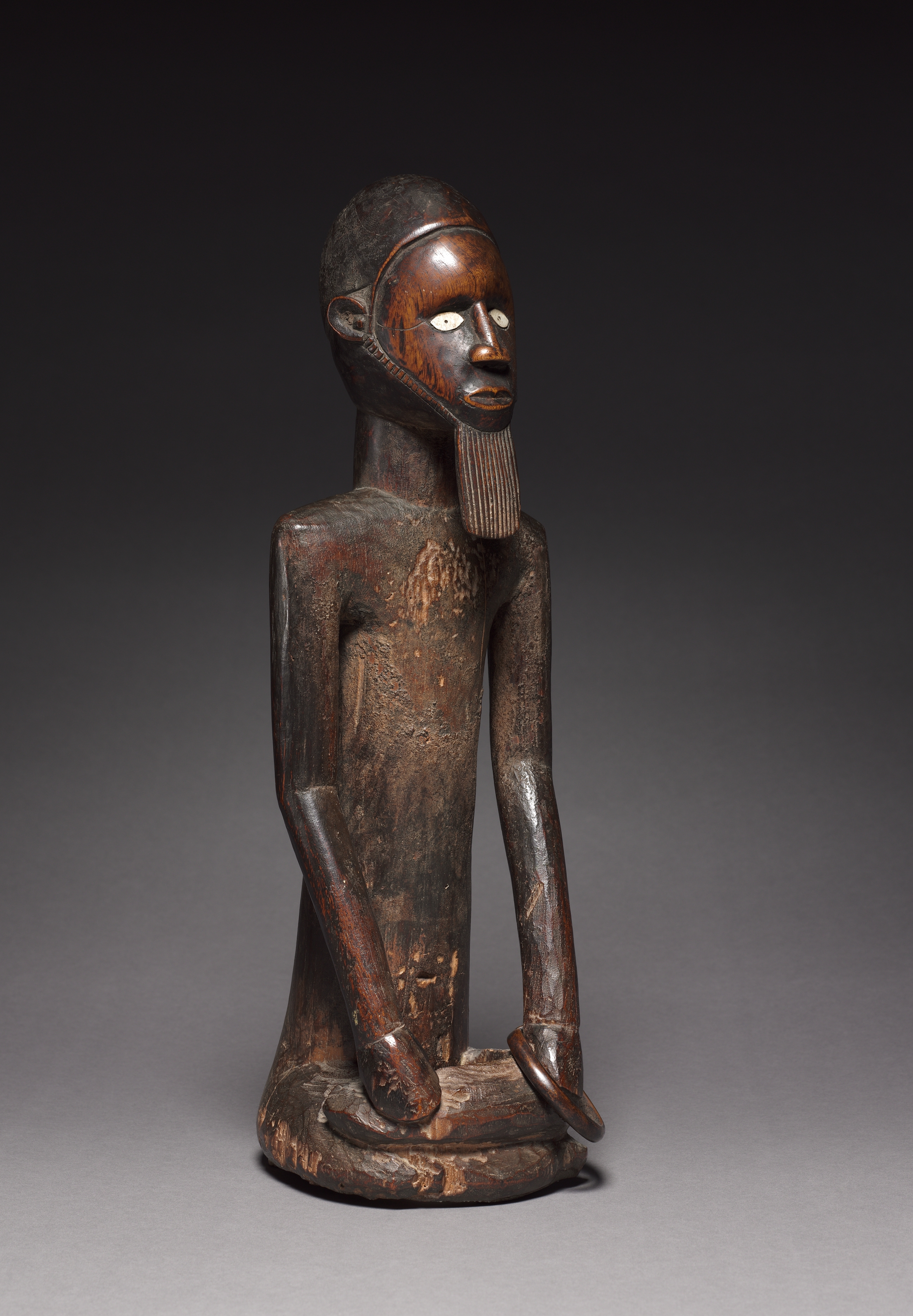
Carved: African Figures
These figures were made to do something: to house a spirit, to stand in for an ancestor, to guard a shrine, to be fed and dressed and consulted. Carving was only part of the work. A ritual specialist added the charge, the cloth, the beads and the metal, and the figure became active. Almost all of these objects left Africa during the colonial period, which is why the museum can usually record the style and the people but rarely the individual carver. They are shown here as what they are, religious and political objects with a documented life, and not as anonymous sculpture.
Explore collection ↗
Open collection
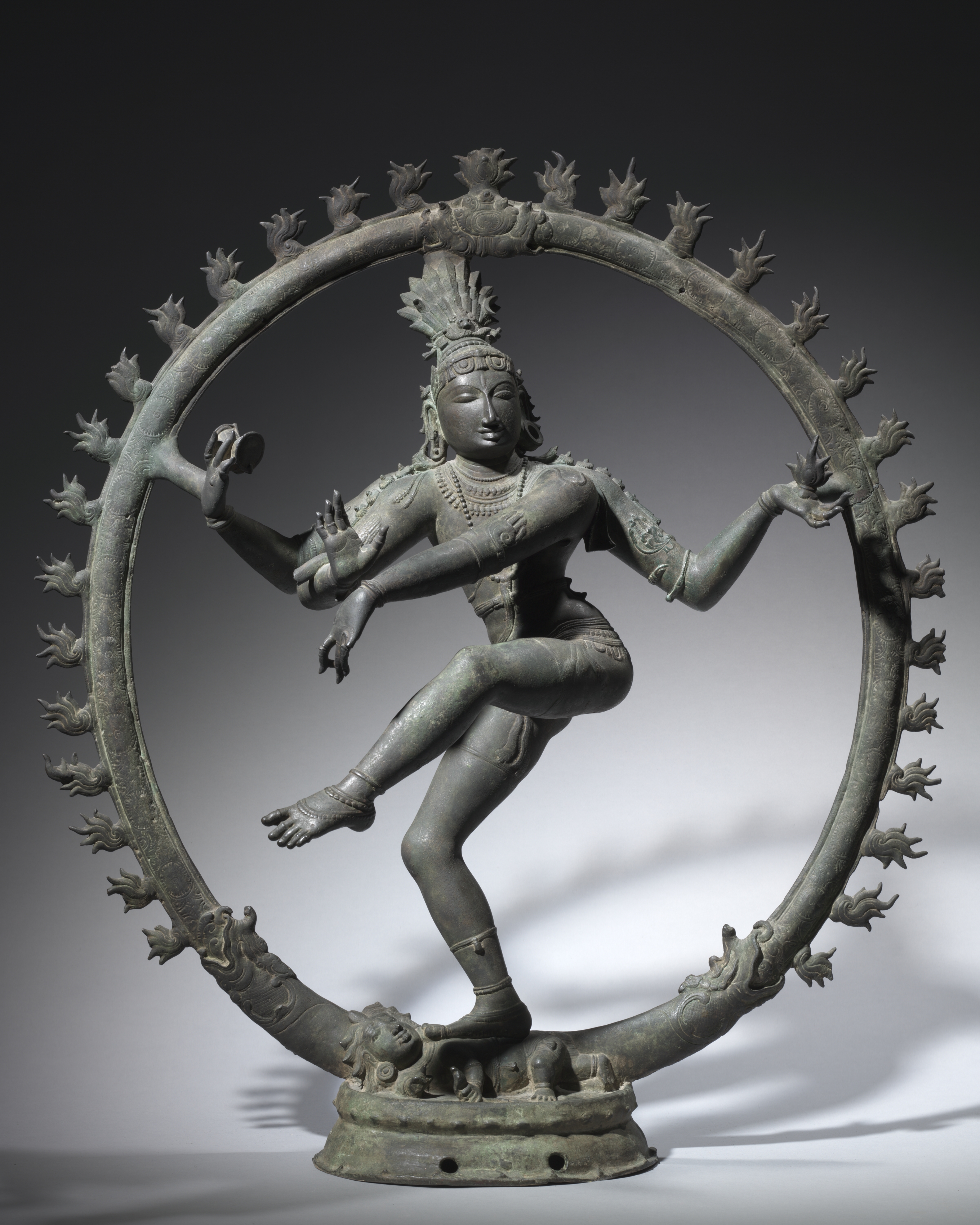
Cast: South Asian Bronze Deities
In South Asia a bronze image was not a representation but a body the deity could enter. Cast by the lost-wax method, a figure was destroyed in the making, so each is unique; it was then consecrated, dressed, fed and carried in procession. The Chola workshops of Tamil Nadu in the ninth to twelfth centuries produced the most refined of these images, and the same technology travelled to Kashmir, Nepal and Angkor. These twelve bronzes are shown as sculpture and as what they were built to be: objects of worship with a job to do.
Explore collection ↗
Open collection
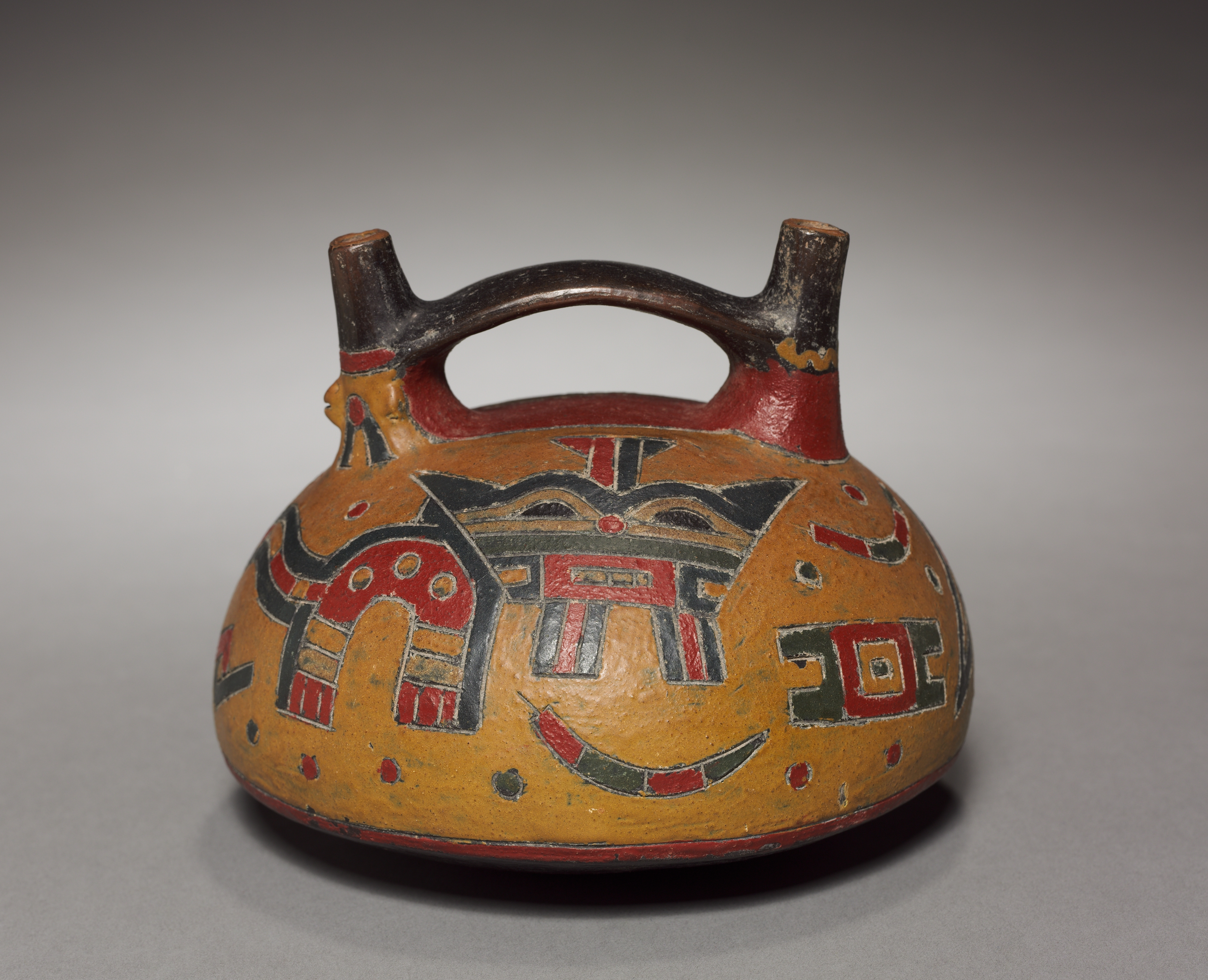
Clay: Andean and Maya Vessels
The vessel was the page. Andean and Maya potters modelled people, animals, houses and battles onto ceramics that were then buried, given as gifts or broken at a funeral, which is why so much of this art survives. The surfaces are equally instructive: Paracas resin paint applied after firing, Recuay resist patterns, Maya slip painting where a whole scene wraps around a cylinder. These pieces, from the south coast of Peru to the Yucatán, were made between about 700 BCE and the arrival of the Spanish.
Explore collection ↗