← Open Collections

Public-domain source library

Clay: Andean and Maya Vessels

The vessel was the page. Andean and Maya potters modelled people, animals, houses and battles onto ceramics that were then buried, given as gifts or broken at a funeral, which is why so much of this art survives. The surfaces are equally instructive: Paracas resin paint applied after firing, Recuay resist patterns, Maya slip painting where a whole scene wraps around a cylinder. These pieces, from the south coast of Peru to the Yucatán, were made between about 700 BCE and the arrival of the Spanish.

Explore the works and their histories through the original collections and institutions that preserve them. Source images are available to download, with creative exploration in Studio.

Works
12
Sources
1
Makers
12
Dates
700 BCE–1 CE · 750–1 BCE · 200–850 CE
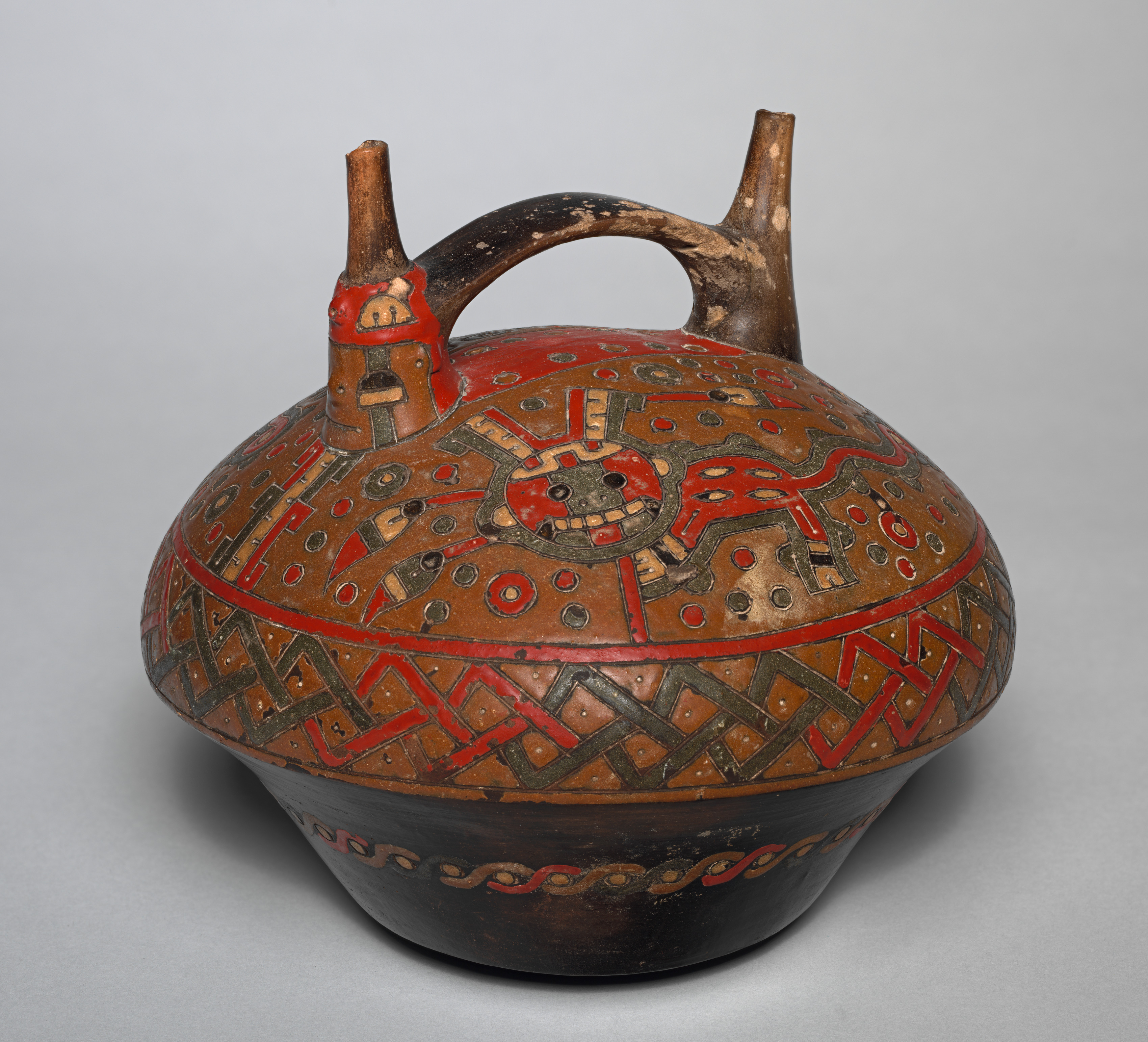
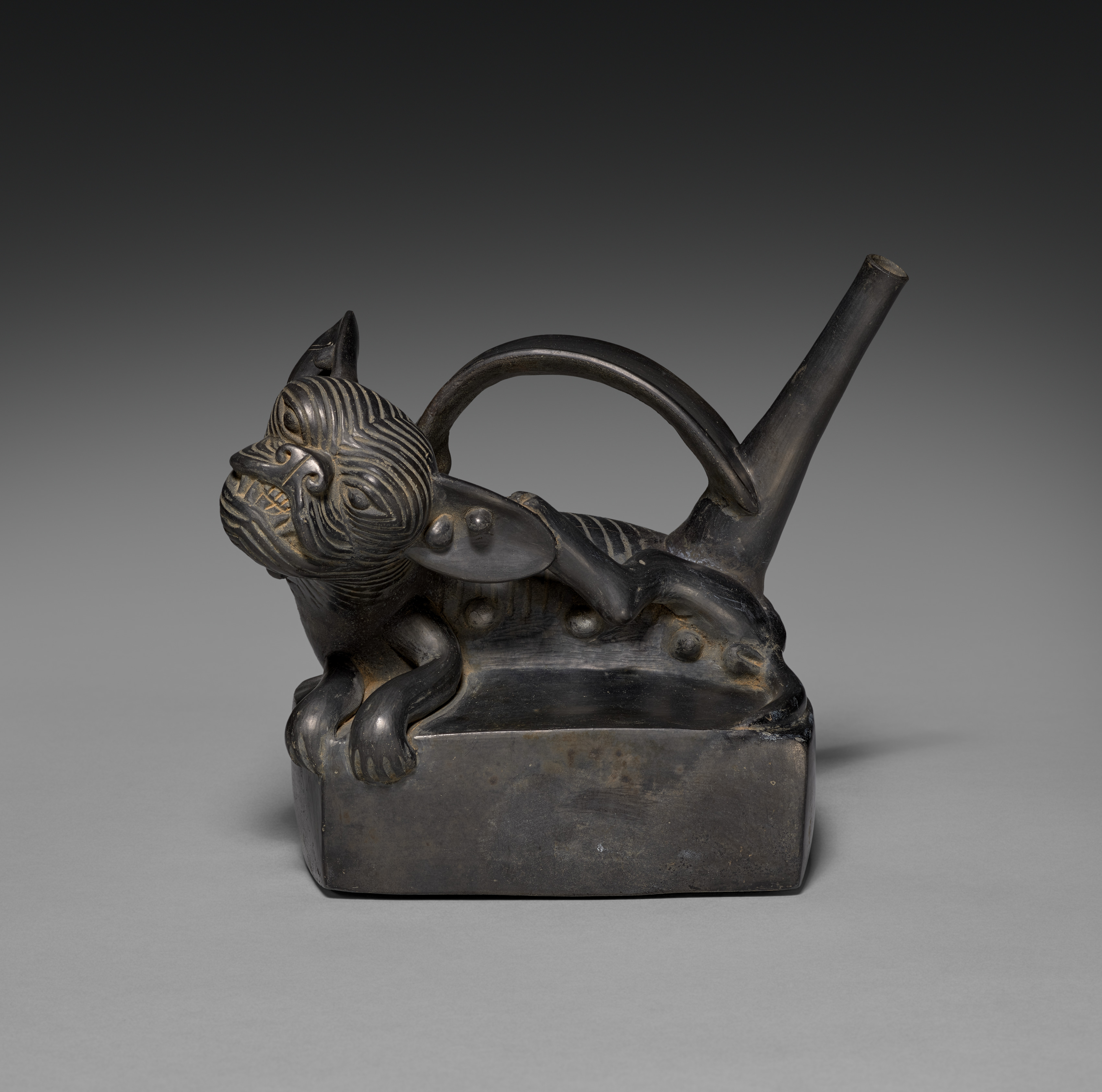
Paracas ceramics incise abstracted felines and then add colour in resin paint applied after firing, so that line and colour arrive in separate operations.

700 BCE–1 CE

Vessel with Feline

Paracas ceramics incise abstracted felines and then add colour in resin paint applied after firing, so that line and colour arrive in separate operations.

3400 × 2758 px

Open in Studio
Source & credits
Creator / date
Peru, South Coast, Paracas (Cavernas) style (700 BCE–1 CE), maker unknown · 700 BCE–1 CE
Source credit
The Cleveland Museum of Art, 1948.477. Open Access.
Original file
3400 × 2758 px · JPG
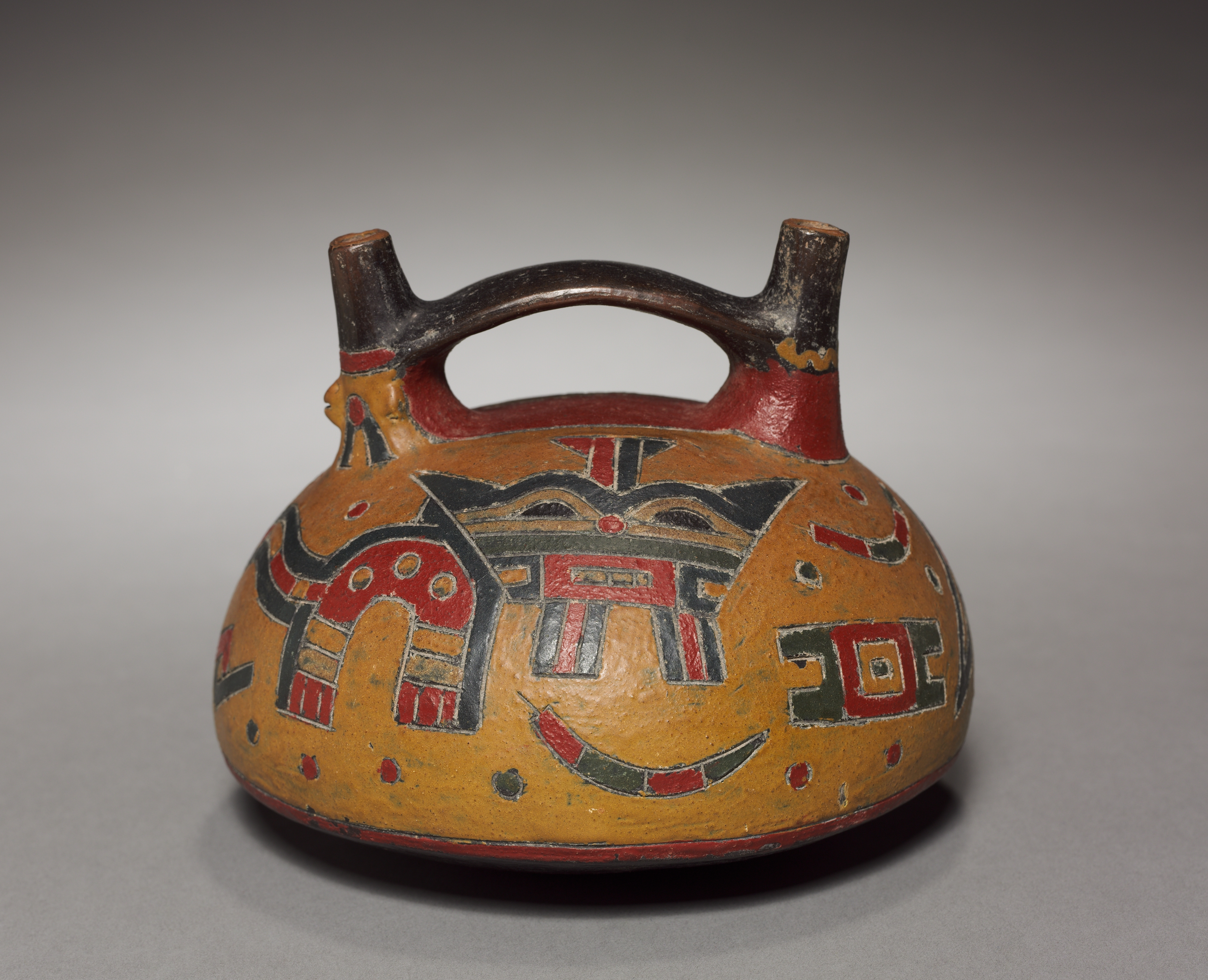
A double-spouted vessel of the Paracas south coast, whose earliest style on that coast worked through geometric abstraction and strong polychromy.

750–1 BCE

Double-spouted Vessel

A double-spouted vessel of the Paracas south coast, whose earliest style on that coast worked through geometric abstraction and strong polychromy.

3400 × 3085 px

Open in Studio
Source & credits
Creator / date
Andes, south coast, Paracas people, maker unknown · 750–1 BCE
Source credit
The Cleveland Museum of Art, 2017.57. Open Access.
Original file
3400 × 3085 px · JPG
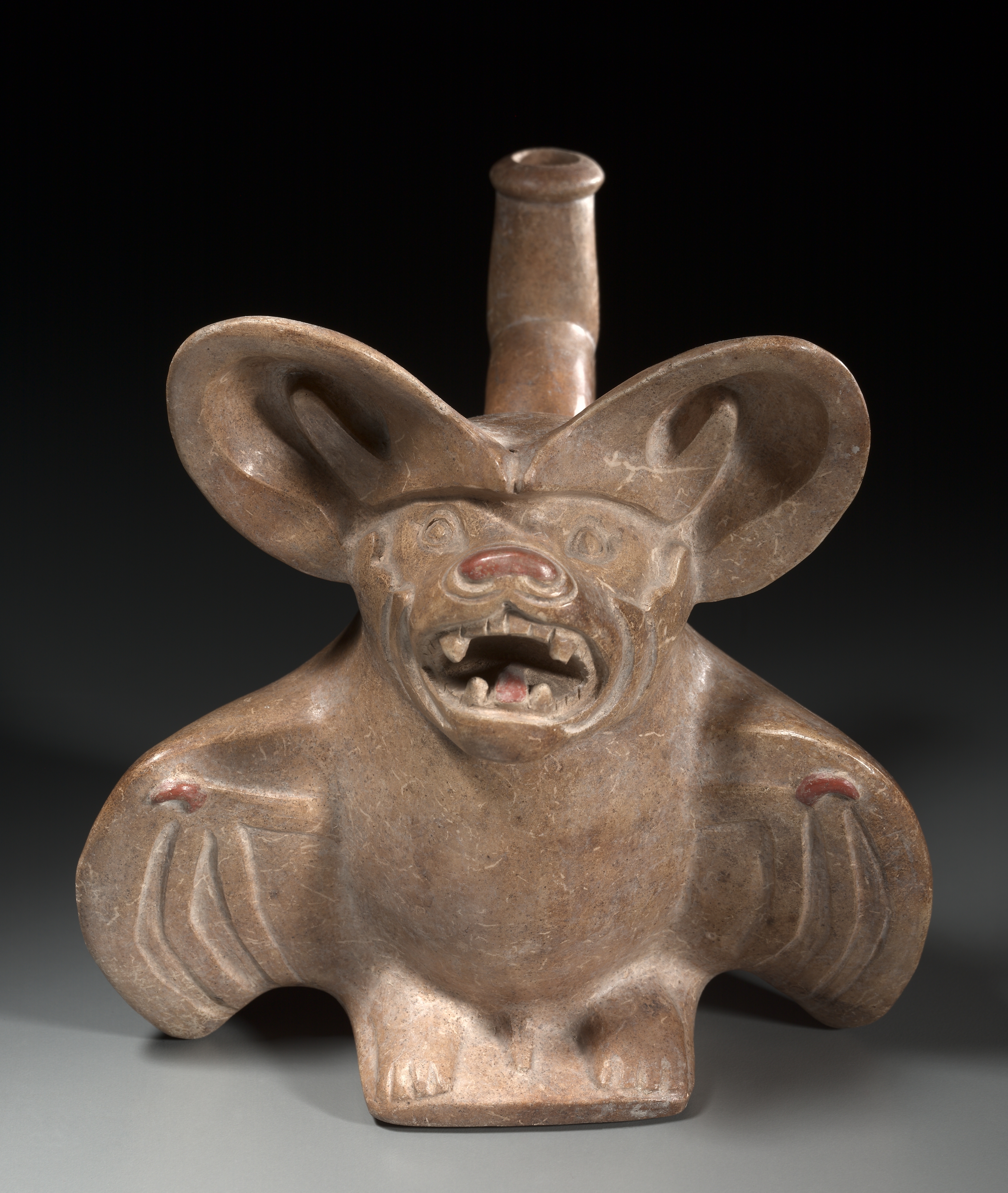
A bat, perhaps opening its wings before taking flight, showing Moche interest in realism and in capturing action at its peak. Moche potters modelled animals as portraits rather than types.

200–850 CE

Big-Eared Brown Bat Vessel

A bat, perhaps opening its wings before taking flight, showing Moche interest in realism and in capturing action at its peak. Moche potters modelled animals as portraits rather than types.

2711 × 3400 px

Open in Studio
Source & credits
Creator / date
Central Andes, North Coast, Moche people, maker unknown · 200–850 CE
Source credit
The Cleveland Museum of Art, 2005.6. Open Access.
Original file
2711 × 3400 px · JPG
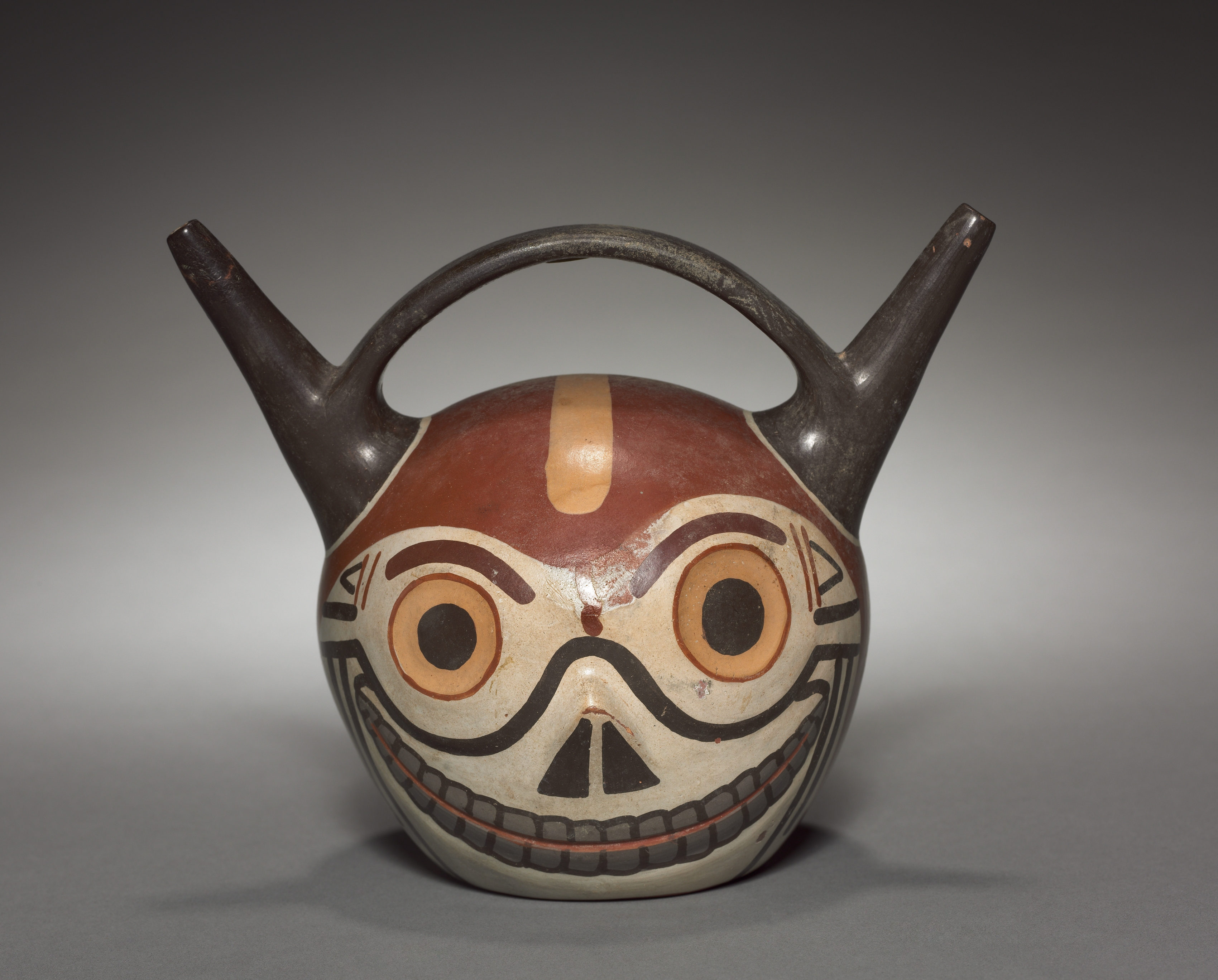
A skull vessel whose clear colour shows the influence of south coast Nasca ceramics on Wari work. Twin spouts joined by a bridge handle are an older form carried forward.

500–900

Skull Vessel

A skull vessel whose clear colour shows the influence of south coast Nasca ceramics on Wari work. Twin spouts joined by a bridge handle are an older form carried forward.

3400 × 2737 px

Open in Studio
Source & credits
Creator / date
Wari (Pachacamac) style, Middle Horizon, Epoch 2, maker unknown · 500–900
Source credit
The Cleveland Museum of Art, 1996.292. Open Access.
Original file
3400 × 2737 px · JPG
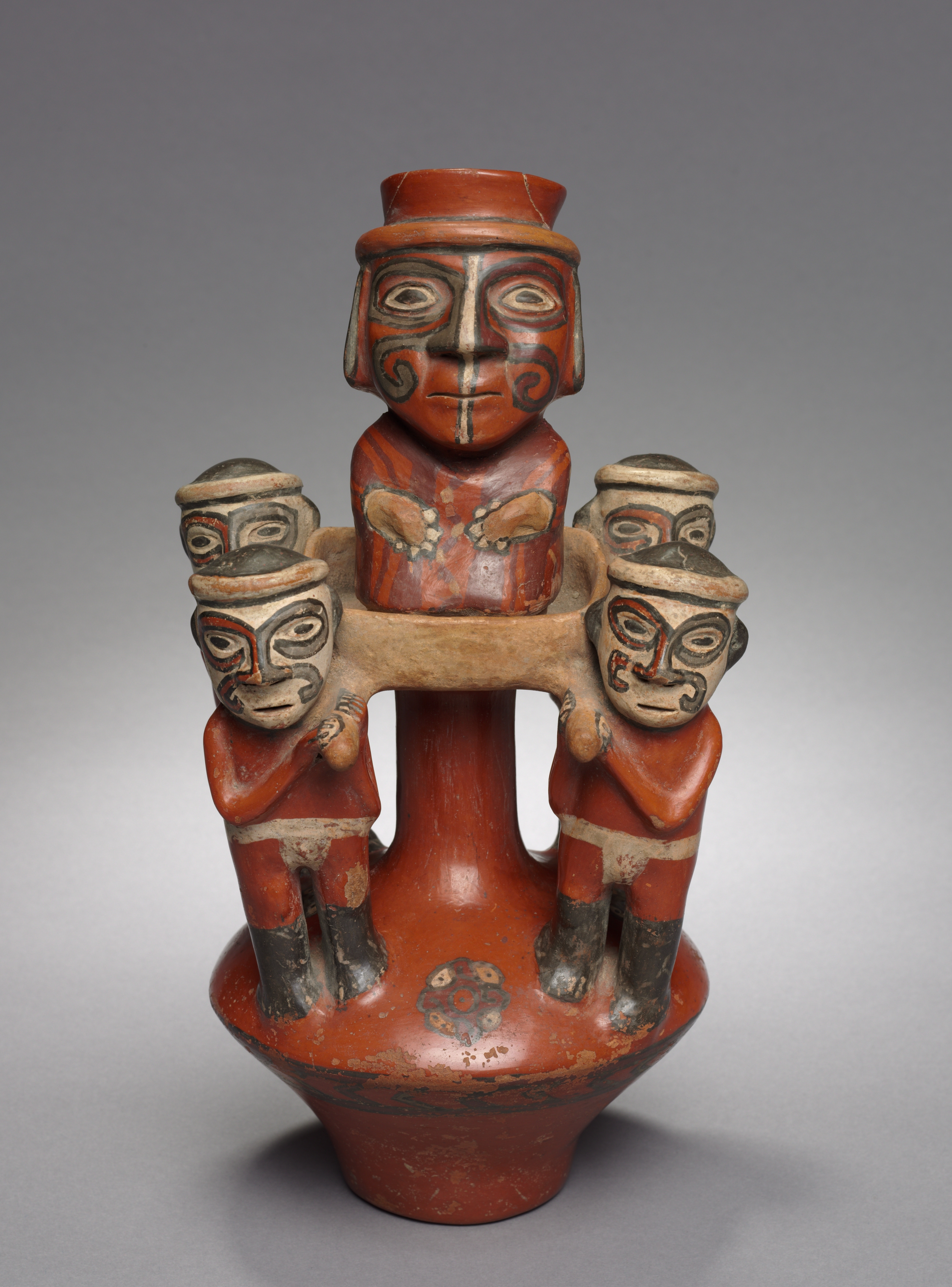
Four porters carry a dignitary in a litter on top of the chamber, sculpture used to describe rank. Reportedly found at Wari Wilka in the central highlands.

600–1000

Vessel with Litter Group

Four porters carry a dignitary in a litter on top of the chamber, sculpture used to describe rank. Reportedly found at Wari Wilka in the central highlands.

2515 × 3400 px

Open in Studio
Source & credits
Creator / date
Central Andes, central highlands, reportedly Wari Wilka, Wari style, 6th-10th century, maker unknown · 600–1000
Source credit
The Cleveland Museum of Art, 2011.36. Open Access.
Original file
2515 × 3400 px · JPG
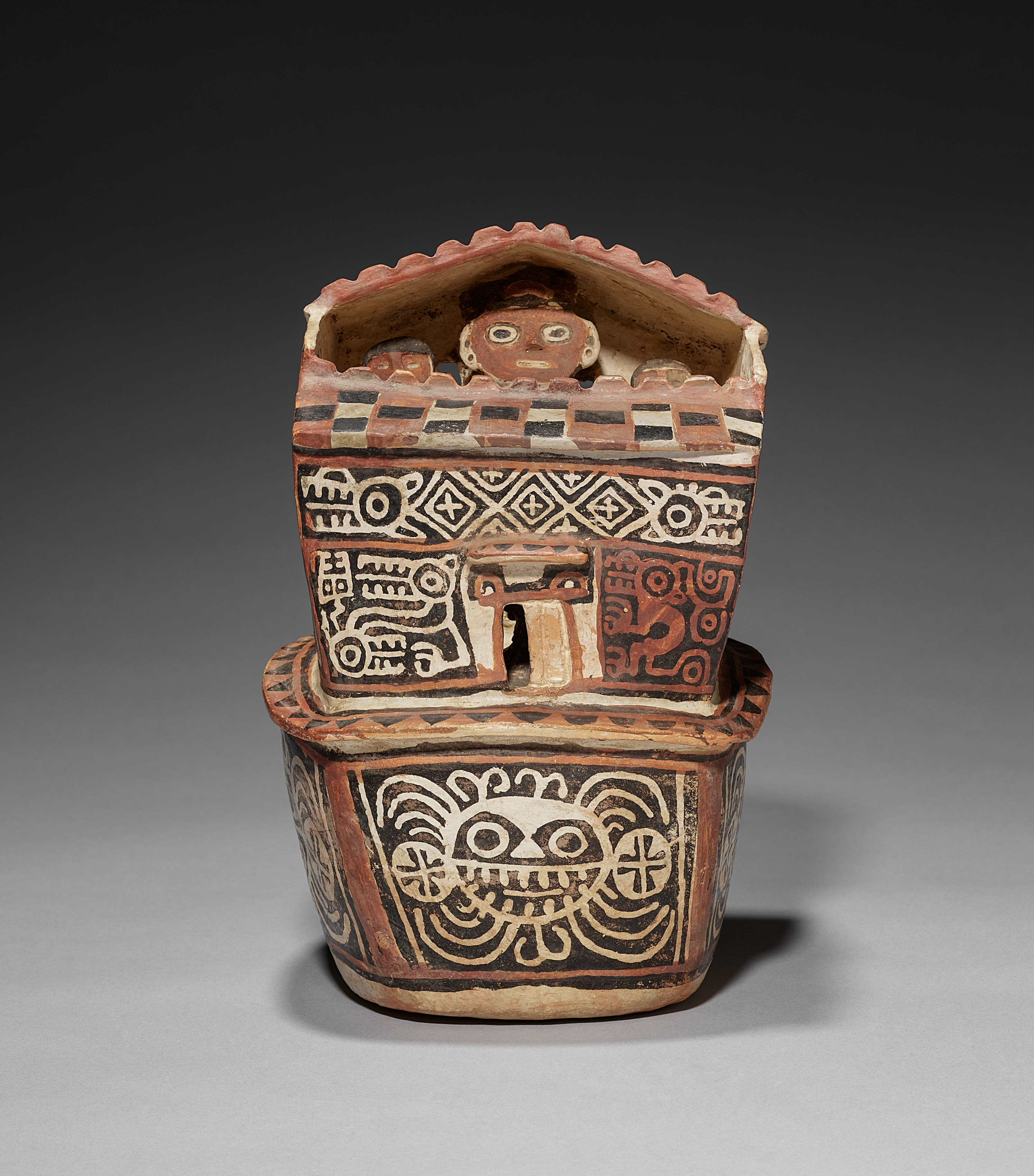
A Recuay vessel that may represent the house of an elite family, with two groups of people inside, presumably a ceremonial gathering. Resist painting leaves pale patterns against a dark ground.

1–700 CE

Architectural Vessel

A Recuay vessel that may represent the house of an elite family, with two groups of people inside, presumably a ceremonial gathering. Resist painting leaves pale patterns against a dark ground.

2990 × 3400 px

Open in Studio
Source & credits
Creator / date
Central Andes (Peru), Recuay people, maker unknown · 1–700 CE
Source credit
The Cleveland Museum of Art, 2020.222. Open Access.
Original file
2990 × 3400 px · JPG
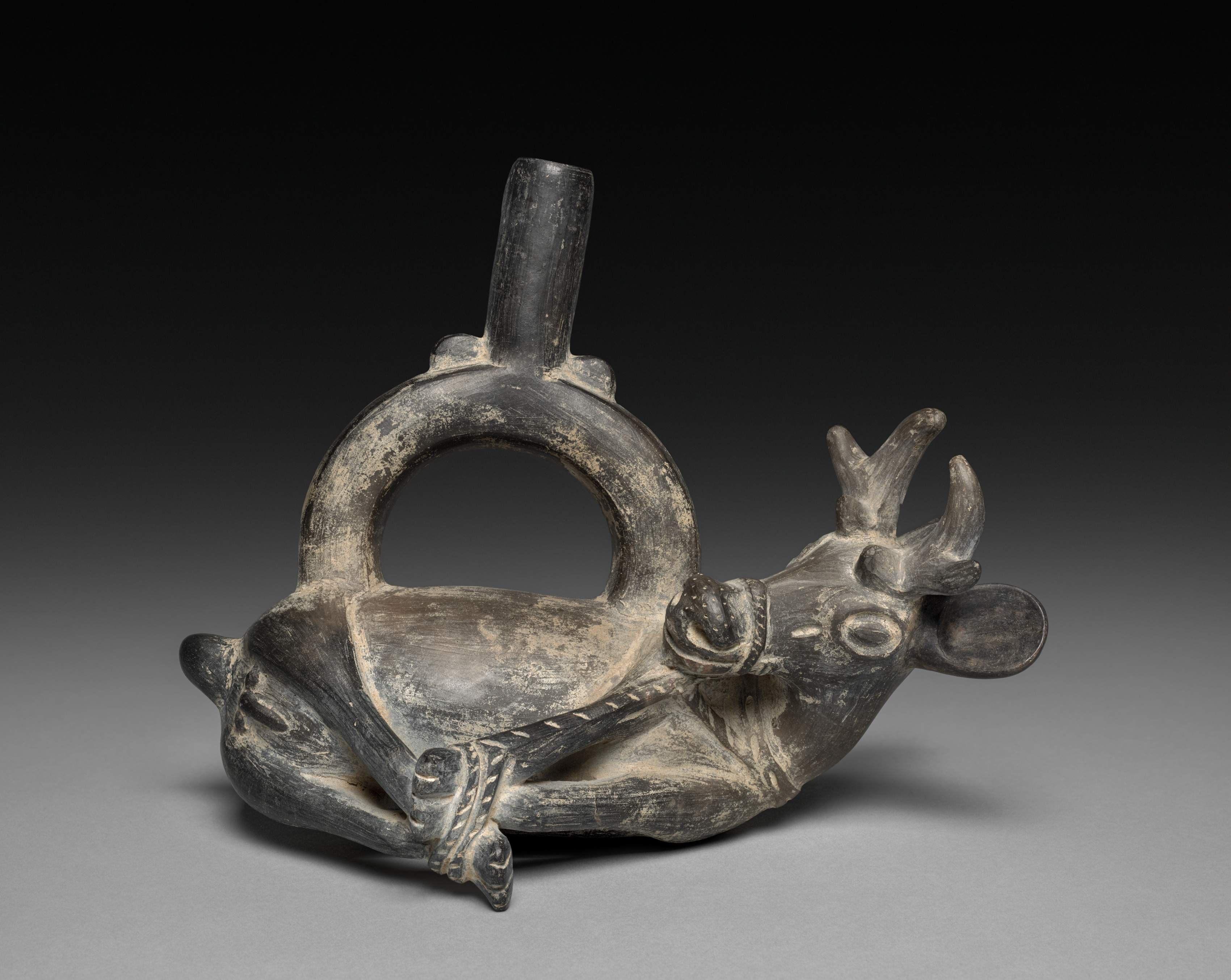
A Chimú effigy vessel of a bound deer. In the earlier Moche art of the same coast the deer carried complex associations with hunting and the wild.

1000–1460s

Bound Deer Effigy Vessel

A Chimú effigy vessel of a bound deer. In the earlier Moche art of the same coast the deer carried complex associations with hunting and the wild.

3400 × 2708 px

Open in Studio
Source & credits
Creator / date
Andes, North Coast, Chimú people, maker unknown · 1000–1460s
Source credit
The Cleveland Museum of Art, 2017.59. Open Access.
Original file
3400 × 2708 px · JPG
A Peruvian hairless dog that has recently given birth, taking a break from maternal obligations. Chimú-Inka potters used moulds, which allowed a joke like this to be produced in quantity.

1470–1532

Vessel with Reclining Dog

A Peruvian hairless dog that has recently given birth, taking a break from maternal obligations. Chimú-Inka potters used moulds, which allowed a joke like this to be produced in quantity.

3400 × 3369 px

Open in Studio
Source & credits
Creator / date
Central Andes, North Coast, Chimú-Inka style, maker unknown · 1470–1532
Source credit
The Cleveland Museum of Art, 2021.129. Open Access.
Original file
3400 × 3369 px · JPG
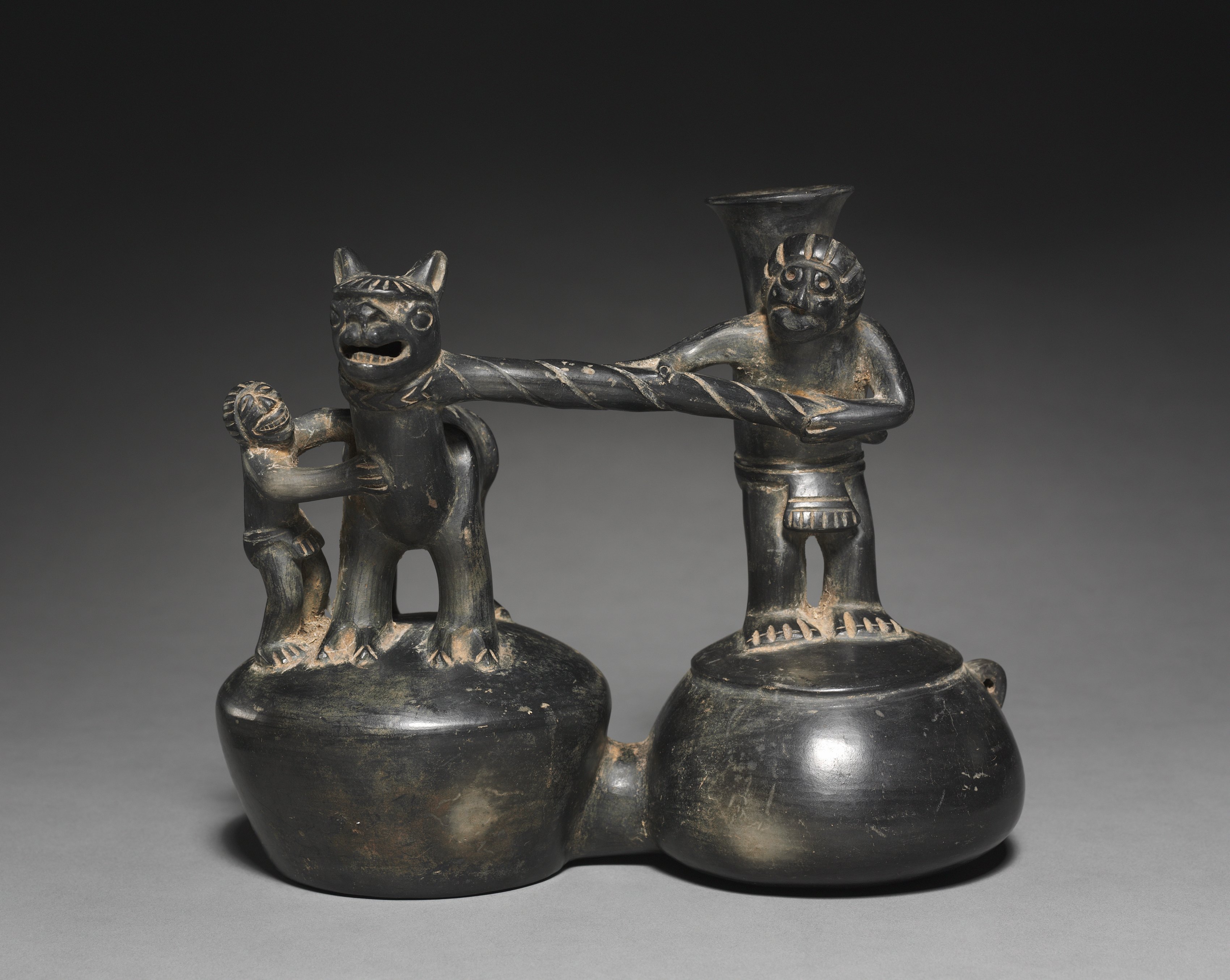
A double-chambered vessel with figures and a camelid, made under Chimú-Inka rule when ceramics were mass-produced from moulds and detail was added by hand.

1470–1532 (Thermoluminescence date, 1310–1610)

Double-chambered Vessel with Figures and Camelid

A double-chambered vessel with figures and a camelid, made under Chimú-Inka rule when ceramics were mass-produced from moulds and detail was added by hand.

3400 × 2709 px

Open in Studio
Source & credits
Creator / date
Andes, Chimú-Inka, late 15th - mid 16th century, maker unknown · 1470–1532 (Thermoluminescence date, 1310–1610)
Source credit
The Cleveland Museum of Art, 2011.112. Open Access.
Original file
3400 × 2709 px · JPG
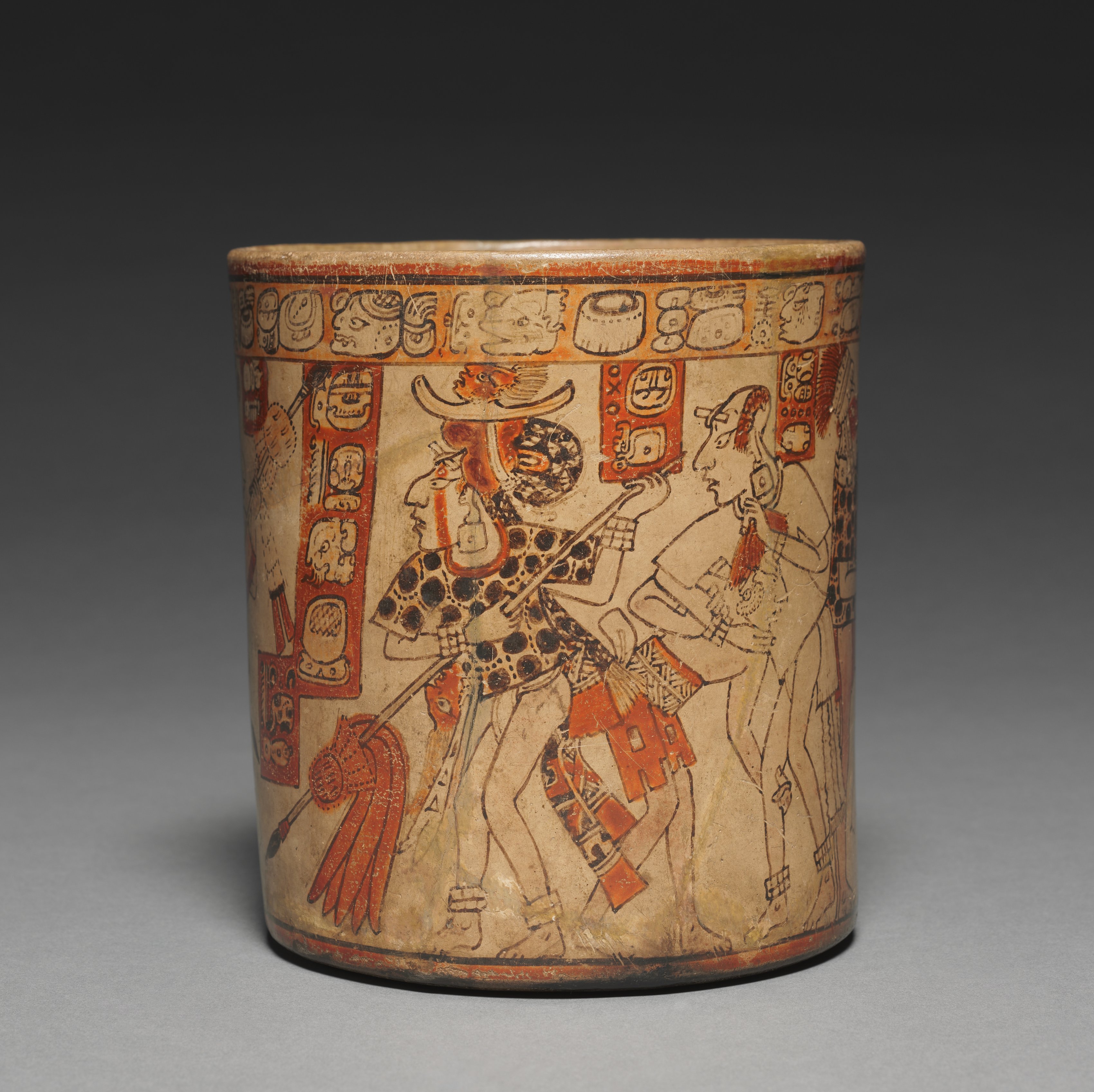
Likely a political gift: a lord reviews ten warriors after battle and prisoners are presented. Maya painting on ceramics used the whole vessel as a field for narrative.

600–900

Vessel with Battle Scene

Likely a political gift: a lord reviews ten warriors after battle and prisoners are presented. Maya painting on ceramics used the whole vessel as a field for narrative.

3400 × 2725 px

Open in Studio
Source & credits
Creator / date
Mesoamerica, Maya, Nebaj region, Late Classic Period, 7th-10th century, maker unknown · 600–900
Source credit
The Cleveland Museum of Art, 2012.32. Open Access.
Original file
3400 × 2725 px · JPG
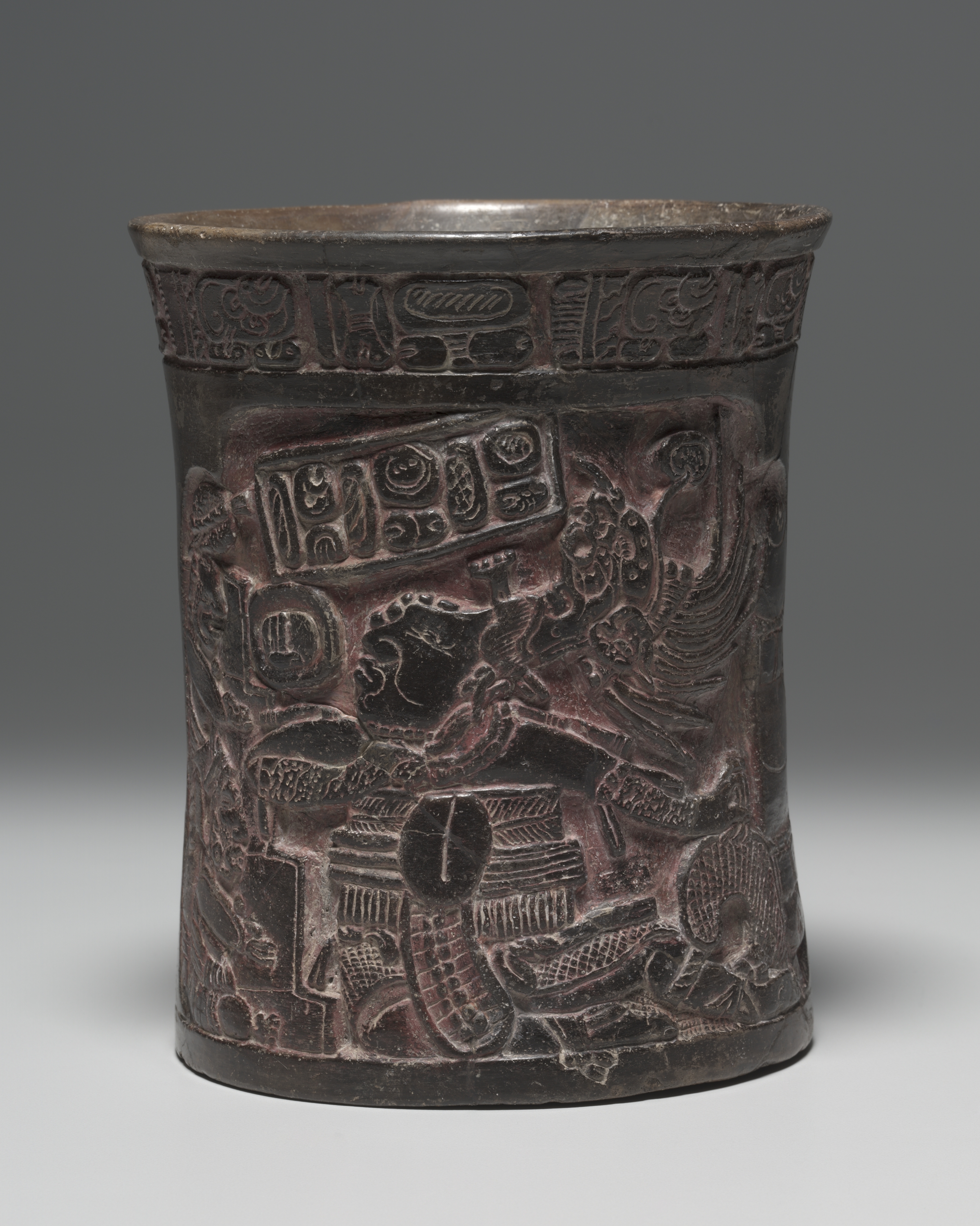
A Maya ballplayer in a thick protective yoke, shown at a game played with the hips rather than hands and feet. The heavy solid rubber ball made injury routine.

c. 600–1000

Vessel with Ballplayer

A Maya ballplayer in a thick protective yoke, shown at a game played with the hips rather than hands and feet. The heavy solid rubber ball made injury routine.

2719 × 3400 px

Open in Studio
Source & credits
Creator / date
Mexico, Yucatán, Maya (Chocholá) style (250-900), maker unknown · c. 600–1000
Source credit
The Cleveland Museum of Art, 1990.180. Open Access.
Original file
2719 × 3400 px · JPG
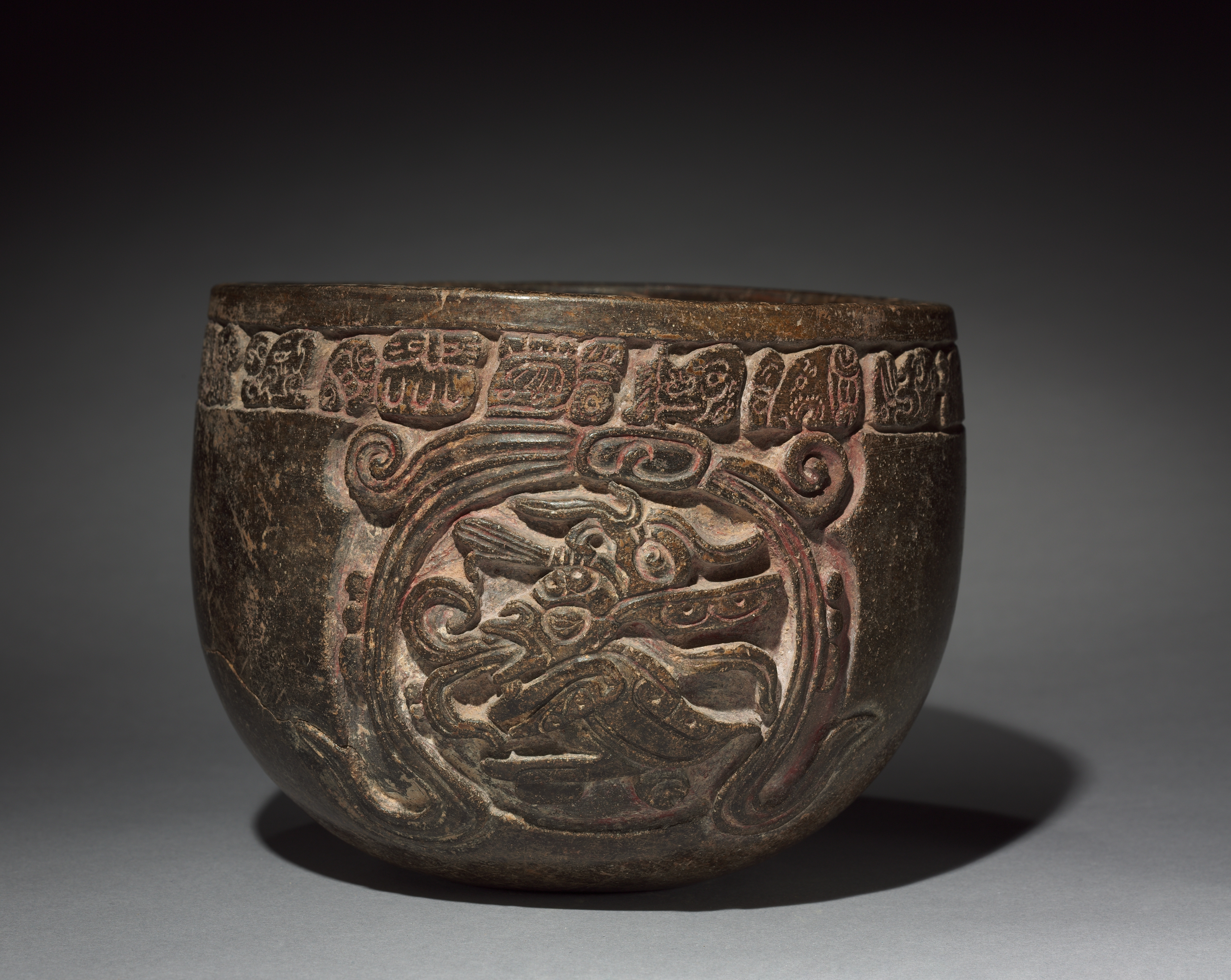
A vessel carved with a firefly on both sides, one of the commonest insects in Maya art, associated with night and with the underworld.

c. 600–1000

Carved Vessel

A vessel carved with a firefly on both sides, one of the commonest insects in Maya art, associated with night and with the underworld.

3400 × 2706 px

Open in Studio
Source & credits
Creator / date
Mexico, Campeche, Maya, Chocholá Style, maker unknown · c. 600–1000
Source credit
The Cleveland Museum of Art, 1990.173. Open Access.
Original file
3400 × 2706 px · JPG